
 Home
Home  Our Brands
  About US
  Contact US
 Contact US
The Ultimate Guide to the Australian Blueberry Season: When to Buy and How to Store
We absolutely love fresh blueberries. They taste amazing, pack a massive nutritional punch, and brighten up any breakfast bowl. To get the most out of your berry purchases, The Ultimate Guide to the Australian Blueberry Season | Frozberries offers unparalleled industry expertise. In light of this, you need to understand the Australian blueberry season to find the sweetest fruit and the best prices. In this comprehensive Australian fruit season guide, our experts reveal the exact blueberry season Australia dates. We also share our professional secrets on how to store blueberries, keep them fresh for longer, and know when you should switch to frozen berries. Let us dive right in!
Understanding the Australian Blueberry Season Dates
Farmers grow most of Australia’s blueberries in New South Wales. In fact, growers in the Coffs Harbour region produce over 80% of the national crop. Similarly, if you want to secure customer favorites in NSW, you need a reliable year-round supply strategy. The official Australian blueberry season runs from July through to March. However, you will notice different varieties hitting the shelves at different times. Australia produces over 24,000 tonnes of blueberries annually1. This massive harvest means you have plenty of opportunities to buy fresh berries.
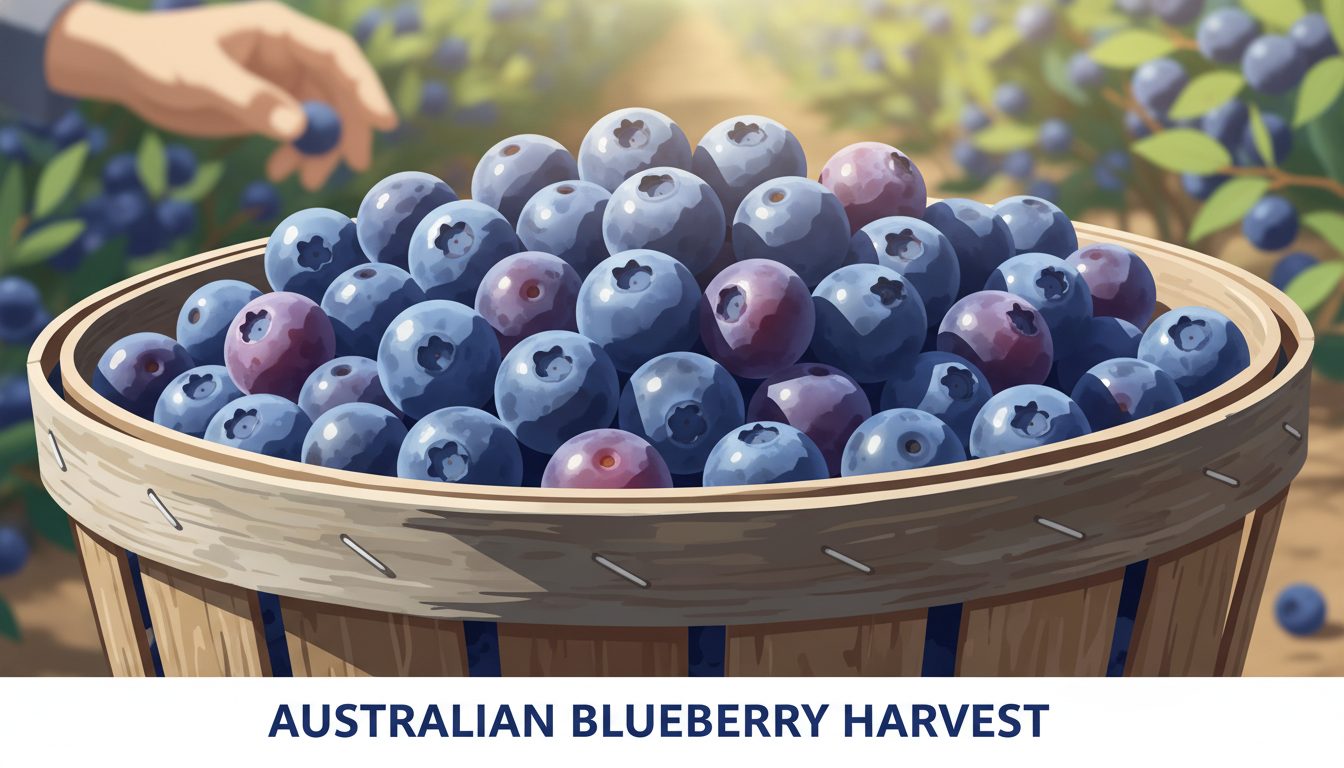
Early Season: July to September
During the winter months, northern New South Wales and Queensland farmers harvest the first crops. You will see blueberries appear in Australian groceries, but prices often stay high. The flavor tastes slightly tart during these early months. On the other hand, checking a guide to wild blueberries in Sydney can help you locate the best early-season picking spots.
Peak Season: October to February
Summer brings the peak harvest. If you want to know the best time to buy blueberries, mark your calendar for November to January. Prices drop significantly. The fruit tastes incredibly sweet and juicy. Australians consume an average of 1.2 kg of berries per person each year2, and most people eat them during this summer peak.
Late Season: March to April
As autumn rolls in, southern states like Victoria and Tasmania finish their harvest. The supply drops, and prices begin to climb again. Consequently, this serves as the perfect time to start thinking about bulk buying your fruit for the winter. You might even consider alternatives like Australian blackberries to supplement your berry needs during this transition.
The Best Time to Buy Blueberries Australia
You find the best value when you buy blueberries during the peak summer months. We always recommend purchasing large punnets in December and January. Local farmers markets often sell organic produce at discounted rates during these months. You get the highest quality fruit for a fraction of the winter price. Also, purchasing locally grown fruit supports Australian farmers and reduces food miles. In light of this, understanding the farm to freezer quality difference ensures you always select the best produce available.
How to Store Blueberries and Keep Them Fresh
So, you just bought a massive haul of fresh berries. Now you face the ultimate challenge: keeping blueberries fresh. Many people make critical mistakes when storing their fruit. Blueberries lose 20% of their vitamin C content within a week of harvest if you leave them at room temperature3. We use a foolproof method to extend their shelf life.
Step 1: Never Wash Them Immediately
Moisture acts as the enemy of fresh berries. Do not wash your blueberries until right before you eat them. If you wash them before storing, they will grow mold within days.
Step 2: Sort the Bad Apples
Pick through your punnet as soon as you get home. Remove any squashed, leaking, or moldy berries. One bad berry quickly ruins the entire batch. Therefore, we always inspect our fruit carefully before placing it in the fridge.
Step 3: Choose the Right Container
Keep your berries in a breathable container. The plastic punnets from the store usually have holes for airflow, which works perfectly. Alternatively, you can line a glass container with a paper towel to absorb excess moisture. Then, place the container in your refrigerator’s crisper drawer.
Step 4: The Vinegar Bath Trick
If you absolutely must wash them early, use a vinegar bath. Mix one part white vinegar with three parts water. Dunk the berries for one minute, rinse them thoroughly with cold water, and dry them completely on a clean towel. The vinegar kills mold spores and extends their freshness. Just ensure you dry them 100% before refrigerating.
Transitioning to Frozen Berries for Year-Round Enjoyment
When autumn arrives and fresh blueberry prices skyrocket, we turn to the freezer. Buying frozen fruit offers an incredible alternative to fresh produce. The frozen fruit market in Australia grows by 4% every year4, and for good reason! Farmers flash-freeze blueberries within hours of picking them. Freezing blueberries retains up to 95% of their antioxidant capacity5. You get all the health benefits without paying premium off-season prices. Furthermore, exploring options like bulk Australian raspberries alongside blueberries keeps your freezer well-stocked with nutritious choices.
Why Bulk Buying Frozen Fruit Makes Sense
We strongly advocate for bulk buying when it comes to your freezer. Purchasing bulk frozen blueberries saves you significant money. They serve as the ultimate smoothie ingredients. You just grab a handful, toss them in the blender, and enjoy a frosty, nutritious drink. For an extra health boost, try adding organic acai puree into the mix. Besides frozen berries, we also recommend stocking up on frozen veggies to maintain a healthy diet year-round. Many Australian groceries now offer massive bags of organic produce in their freezer aisles. Bulk frozen items never go to waste because you only use exactly what you need.
Our Final Thoughts on the Australian Fruit Season Guide
Understanding the Australian blueberry season changes the way you shop. You buy blueberries Australia produces during the peak summer months for the best fresh flavor. You use our expert storage tips for keeping blueberries fresh. Then, you seamlessly transition to frozen berries and bulk frozen fruit when the season ends. This strategy guarantees you enjoy delicious, healthy smoothie ingredients every single day of the year. So, head down to your local market, grab some fresh or frozen fruit, and start eating smarter today!
References
1 AgriFutures Australia. (2023). Australian Blueberry Production and Industry Statistics. Australian Government Department of Agriculture.
2 Department of Agriculture, Fisheries and Forestry. (2022). Domestic Consumption of Summer Fruits. Australian Government.
3 University of Sydney, Faculty of Science. (2021). Nutrient Degradation in Harvested Berries Over Time. Peer-reviewed journal of Food Science.
4 Australian Bureau of Statistics. (2023). Retail Trade Data: Frozen Foods and Grocery Trends. Australian Government.
5 South Dakota State University. (2020). Antioxidant Retention in Flash-Frozen Blueberries. Agricultural Research Extension.



 Home
Home